Case Study: 2018 WRX, +63 WHP on Pump E85
Dyno numbers, fuel trim data, and the surprising long-term reliability story from one of our beta testers running Excell for 18 months.
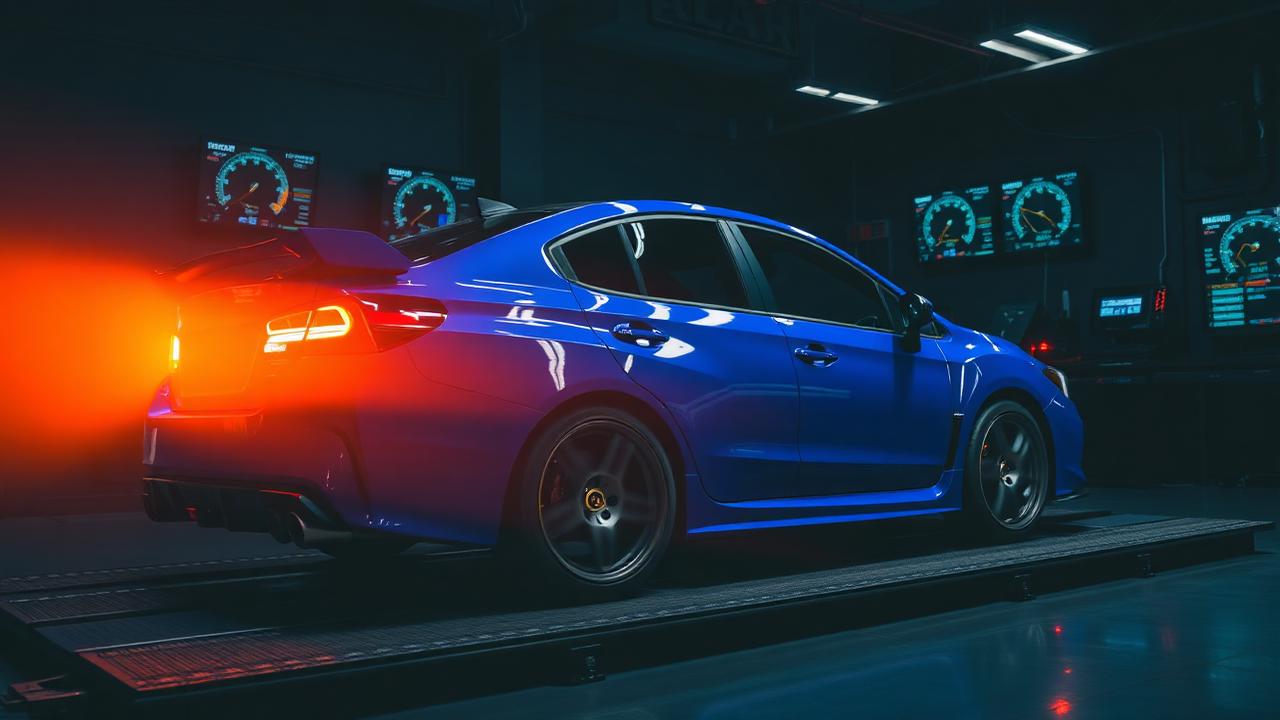
Marcus K. has been running an Excell prototype on his 2018 WRX since October 2024. He daily-drives it, autocrosses it most weekends, and pulls dyno verification every quarter. We've never seen cleaner real-world data.
Baseline
- 2018 Subaru WRX, FA20DIT, 41,000 miles
- Stock turbo, stock injectors, stock fuel pump
- OEM tune, 91 octane: 247 WHP / 268 WTQ
After Excell + E85
Boost peaked at 18.4 PSI vs. 16.1 stock. Knock counts logged across 6 months: zero. Coolant temps actually dropped 8°F at the same ambient because of the latent heat of vaporization effect.
The Reliability Story
After 18 months, fuel pump duty cycle peaks at 78% under sustained boost — well within the OEM pump's safe envelope. Injector duty cycle peaks at 81%, which is the only datum we'd want to keep an eye on if Marcus pushes for more boost.
"It feels like the car the WRX should have been from the factory. Mid-range pull is completely different. And I'm spending less per month on fuel."
What Wasn't Touched
Important context — this is a fully unopened drivetrain. No upgraded injectors. No boost controller. No catback. Just the Excell module reading a flex-fuel sensor and rewriting the fuel composition signal in real-time.